Heat Press Printing
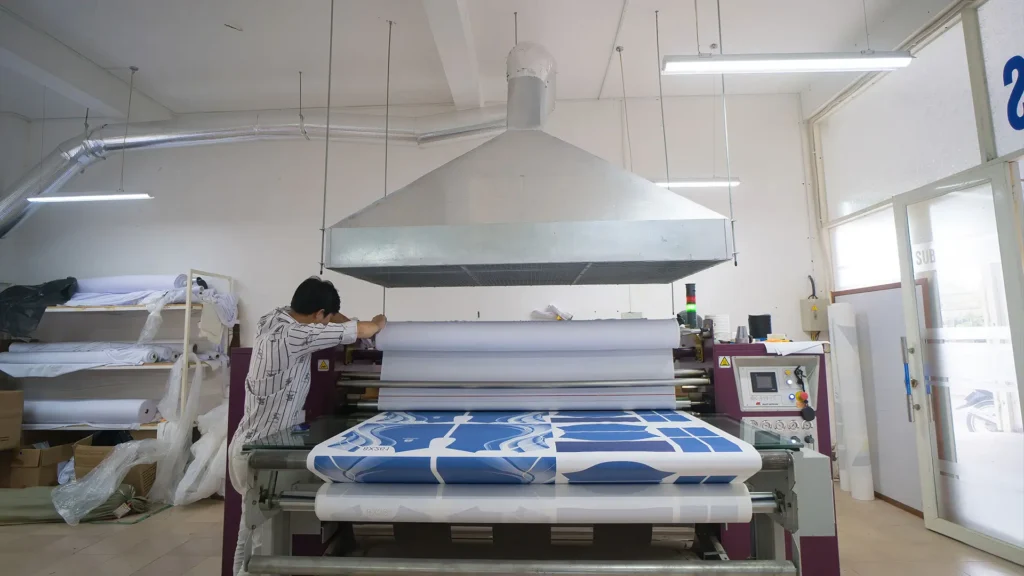
Heat press printing is a method of transferring designs onto fabric using heat and pressure. This technique involves placing a pre-cut vinyl or a printed transfer onto the fabric and applying heat and pressure to embed the design into the material. It is known for its efficiency and the high quality of the results, making it a popular choice for custom sportswear.Benefits of Heat Press Printing for Custom Sportswear
Heat press printing offers several benefits for custom sportswear. It provides versatile and durable designs suitable for various materials like polyester, spandex, and cotton blends. Ideal for both small and large batches, this method ensures high-quality, vibrant prints with quick setup and production times. Heat press printing is perfect for creating professional sportswear that can withstand the demands of athletic use, making it a top choice for teams and individuals.Versatile and Suitable for Various Materials
Heat press printing can be used on a wide range of fabrics, including polyester, cotton, spandex, and blends. This versatility makes it ideal for creating custom sportswear for different sports and activities.
Ideal for Small and Large Batches
Whether you need a single custom jersey or a large batch for an entire team, heat press printing is cost-effective and efficient.
Produces Durable, High-Quality Designs
The heat press process creates designs that are vibrant, durable, and capable of withstanding the wear and tear of athletic use.
Quick Setup and Production Times
Compared to other printing methods, heat press printing requires minimal setup time and allows for fast production, making it perfect for last-minute orders.
Essential Tools and Materials
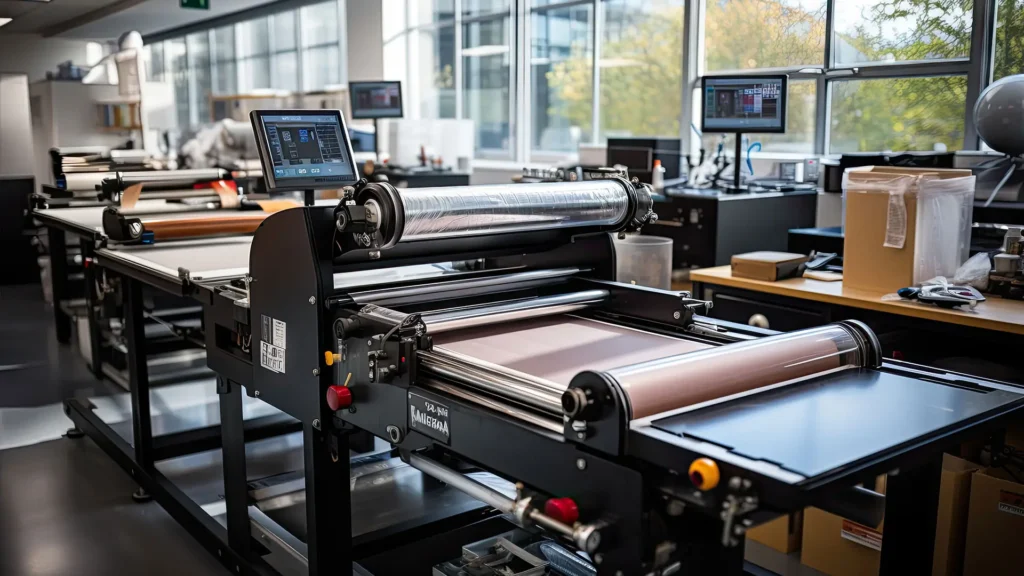
For successful heat press printing on custom sportswear, you need essential tools and materials. A quality heat press machine, such as a clamshell, swing-away, or draw type, is crucial. Heat transfer vinyl (HTV), printable heat transfer paper, sublimation paper, and ink are necessary for creating vibrant designs. Design software like CorelDRAW and Adobe Illustrator, along with weeding tools and Teflon sheets, complete your toolkit, ensuring precise and professional results.Heat Press Machine
Selecting the right heat press machine is crucial for successful printing. There are three main types:
- Clamshell: Hinged at the back, opening like a clamshell. Ideal for small spaces, this type is easy to operate and suitable for basic heat press tasks.
- Swing-Away: The upper platen swings away, offering better access and even pressure distribution. This type is great for detailed work and large designs.
- Draw: Features a pull-out lower platen, providing safe and easy access to the workspace. This design helps prevent accidental burns and allows for precise placement of transfers.
Heat Transfer Vinyl (HTV) and Printable Heat Transfer Paper
HTV is essential for creating custom designs. Available in various colors and finishes, it can be cut into intricate shapes and designs. Printable heat transfer paper is used for full-color prints and complex images, allowing for high-quality, detailed designs.Sublimation Paper and Ink
For sublimation printing, sublimation paper and ink are necessary. These materials are best suited for polyester fabrics and result in vibrant, long-lasting prints.Design Software
Creating designs requires robust software. Popular choices include:
- CorelDRAW: Known for its vector graphic design capabilities, it is ideal for creating detailed and scalable designs.
- Adobe Illustrator: Another powerful design tool, widely used for professional graphic design and illustration.
Weeding Tools and Teflon Sheets
Weeding tools remove excess vinyl from around the design, ensuring clean and precise transfers. Teflon sheets protect the fabric and design during pressing, preventing scorch marks and ensuring even heat distribution.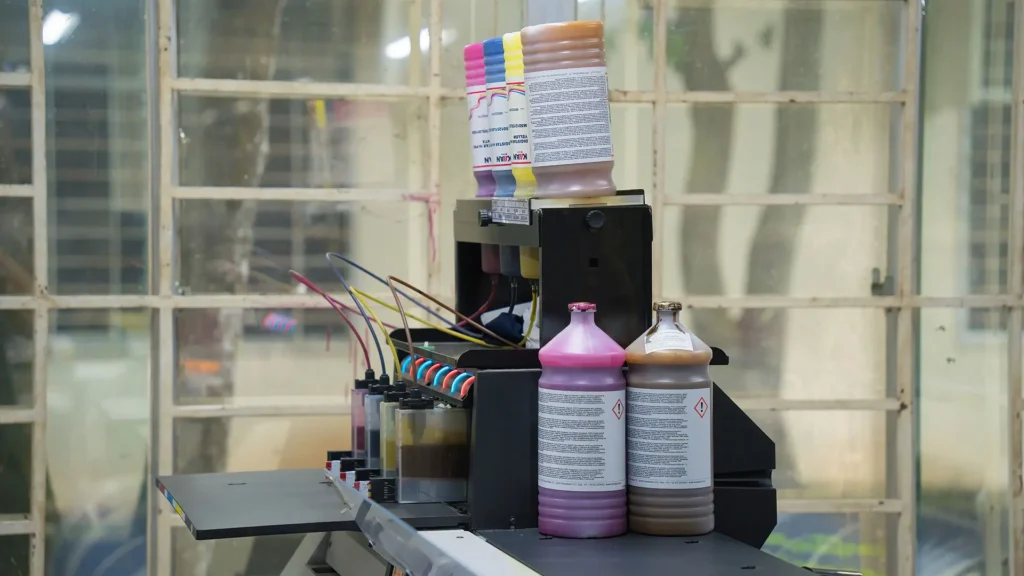
Step-by-Step Heat Press Printing Process
The step-by-step heat press printing process involves several key stages. First, create your design using software like CorelDRAW or Adobe Illustrator. Next, cut the design from heat transfer vinyl (HTV) and weed out the excess material. Prepare the heat press machine by setting the appropriate temperature, pressure, and time. Preheat the garment to remove moisture and wrinkles, then position the design on the garment and cover it with a Teflon sheet. Apply heat and pressure according to the manufacturer's instructions. Finally, remove the backing and ensure proper adhesion.Design Creation
Using design software, create or import your design. Ensure it is the correct size and format for your heat press machine. Pay attention to the resolution and color accuracy to ensure high-quality prints.Cutting the Design
Cut the design from HTV using a vinyl cutter. Weed the excess vinyl to leave only the desired design. This step requires precision to ensure all small details are correctly removed.Preparing the Heat Press Machine
Set the machine to the appropriate temperature, pressure, and time based on the material and transfer type. Preheat the garment to remove moisture and wrinkles, which can affect the adhesion of the transfer.Transferring the Design
Position the design on the garment and cover it with a Teflon sheet. Apply heat and pressure according to the manufacturer's instructions. The right combination of temperature, pressure, and time is crucial for a successful transfer.Post-Pressing Care
Remove the transfer paper or vinyl backing while warm or cool, depending on the material. Ensure proper adhesion by checking the edges and corners of the design. Allow the garment to cool completely before handling.Advanced Heat Press Techniques
Advanced heat press techniques elevate your custom sportswear designs. Layering colors involves applying multiple layers of heat transfer vinyl (HTV) for intricate, multi-color designs. Special effects like glitter, foil, flock, reflective, and glow-in-the-dark vinyl add unique elements and eye-catching details. Sublimation printing, ideal for polyester sportswear, embeds the design into the fabric for vibrant, seamless prints. Screen printing can also be used for vibrant designs. These techniques allow for more creative and professional-quality results.Layering Colors
Create multi-color designs by layering different colors of HTV. Ensure proper alignment and adhesion for each layer. This technique allows for complex and colorful designs that stand out.Special Effects
Incorporate special effects like glitter, foil, flock, reflective, and glow-in-the-dark vinyl to add unique elements to your designs. These materials can create eye-catching and distinctive custom sportswear.Sublimation Printing
Use sublimation printing for polyester sportswear. This technique embeds the design into the fabric, creating seamless and vibrant prints. Note the fabric type and color limitations, as sublimation works best on light-colored, polyester materials.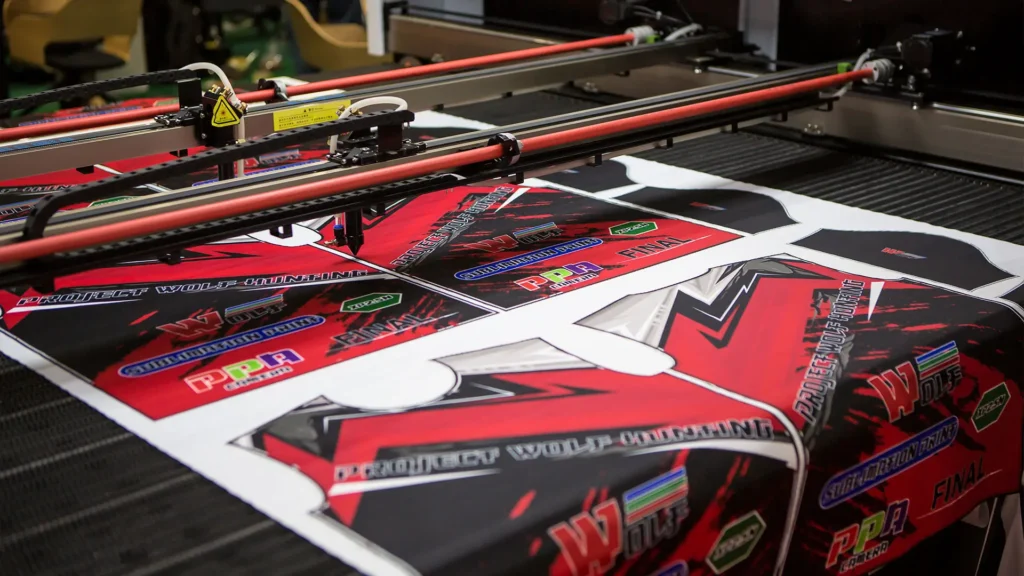
Best Practices for Heat Press Printing on Sportswear
Best practices for heat press printing on sportswear ensure high-quality results and durability. Select the right fabric for different types of sportswear, such as polyester, spandex, and cotton blends. Use proper techniques to ensure prints are flexible and durable, ideal for athletic use. Maintain vibrant colors and prevent fading by using appropriate heat and pressure settings and following washing instructions. For stretchy fabrics, use stretchable HTV and adjust your technique to prevent cracking. These practices help achieve professional and long-lasting prints.
Selecting the Right Materials
Choose suitable materials for different types of sportswear, including polyester, spandex, and cotton blends. Each fabric type may require different settings and techniques to achieve the best results.Ensuring Durability and Flexibility
Ensure your prints are durable and flexible, ideal for athletic use. Proper technique and high-quality materials are key to creating designs that last and move with the fabric without cracking or peeling.Tips for Maintaining Vibrant Colors and Preventing Fading
Use appropriate heat and pressure settings, and follow washing instructions to maintain color vibrancy and prevent fading. Turn garments inside out and use mild detergents to extend the life of the prints.Techniques for Printing on Stretchy Fabrics
Use stretchable HTV and proper techniques to print on stretchy fabrics like spandex, ensuring the design moves with the fabric without cracking. Adjust the pressure and temperature settings to accommodate the stretchiness of the material.Common Challenges and Solutions
Common challenges in heat press printing include issues with temperature and pressure settings, poor adhesion, and handling complex designs. To overcome these, always follow manufacturer guidelines and perform test presses to find optimal settings. Ensure proper weeding and cooling times to prevent peeling. Use high-quality vinyl and tools for intricate designs, and take extra care when weeding fine details. To avoid scorching and heat marks, use Teflon sheets and adjust temperature settings accordingly. These solutions help achieve consistent, high-quality results.Issues with Temperature and Pressure Settings
Incorrect settings can lead to poor adhesion or damage. Always follow manufacturer guidelines and perform test presses to find the optimal settings for your materials and designs.Troubleshooting Poor Adhesion or Peeling
Ensure proper weeding, use the correct settings, and allow adequate cooling time to prevent peeling. If problems persist, review your technique and consider adjusting your equipment.Handling Complex Designs and Fine Details
Use high-quality vinyl and cutting tools; take extra care when weeding intricate designs. Patience and precision are crucial for achieving professional-looking results.Preventing Scorching and Heat Marks on Garments
Use Teflon sheets and adjust temperature settings to avoid scorching and heat marks. Preheating the garment and using protective layers can help prevent damage to delicate fabrics.