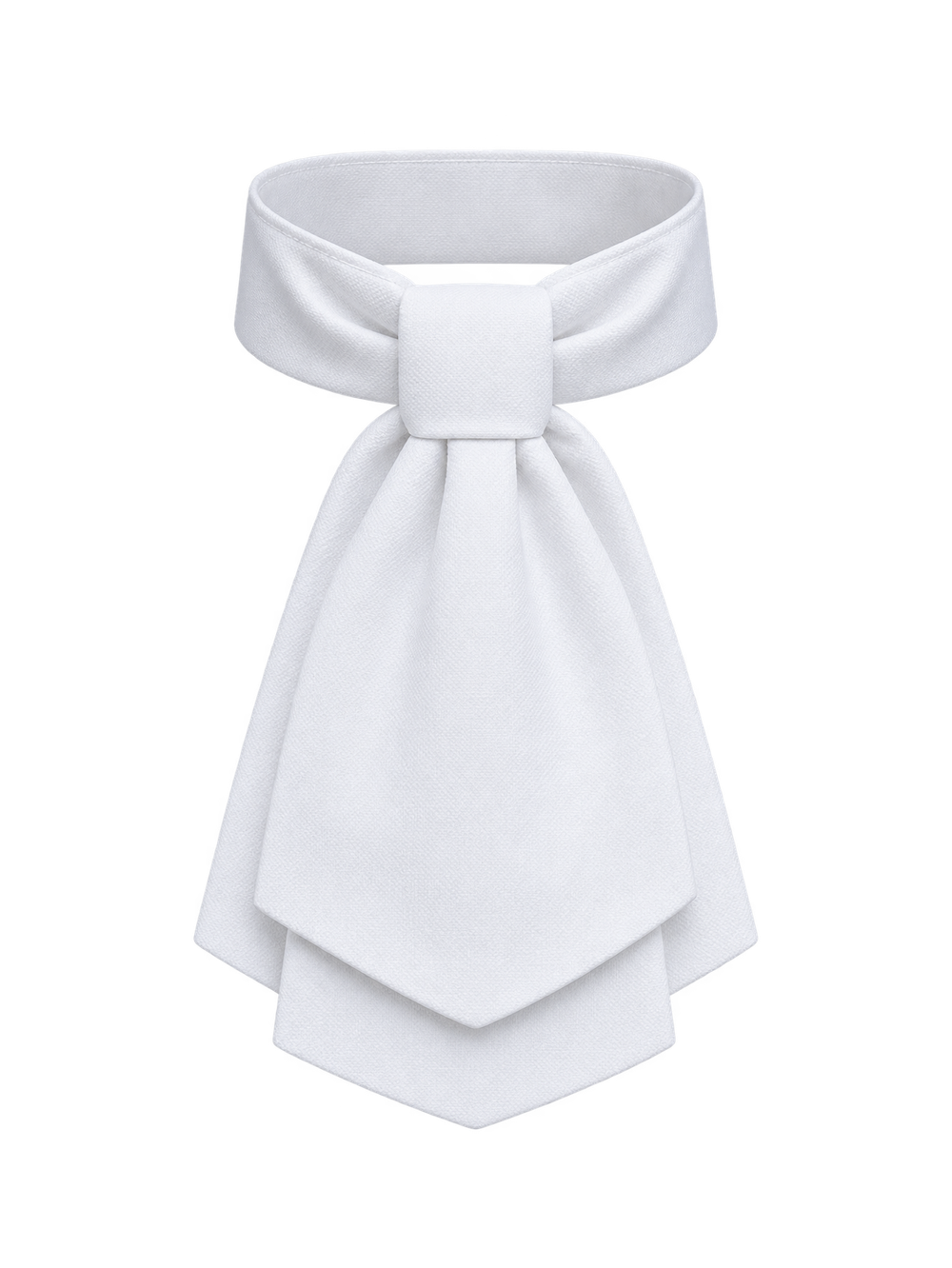
Horse Riding Stock Ties
4.5Front shape, neck fit and fastening recorded so repeat color versions follow one design.

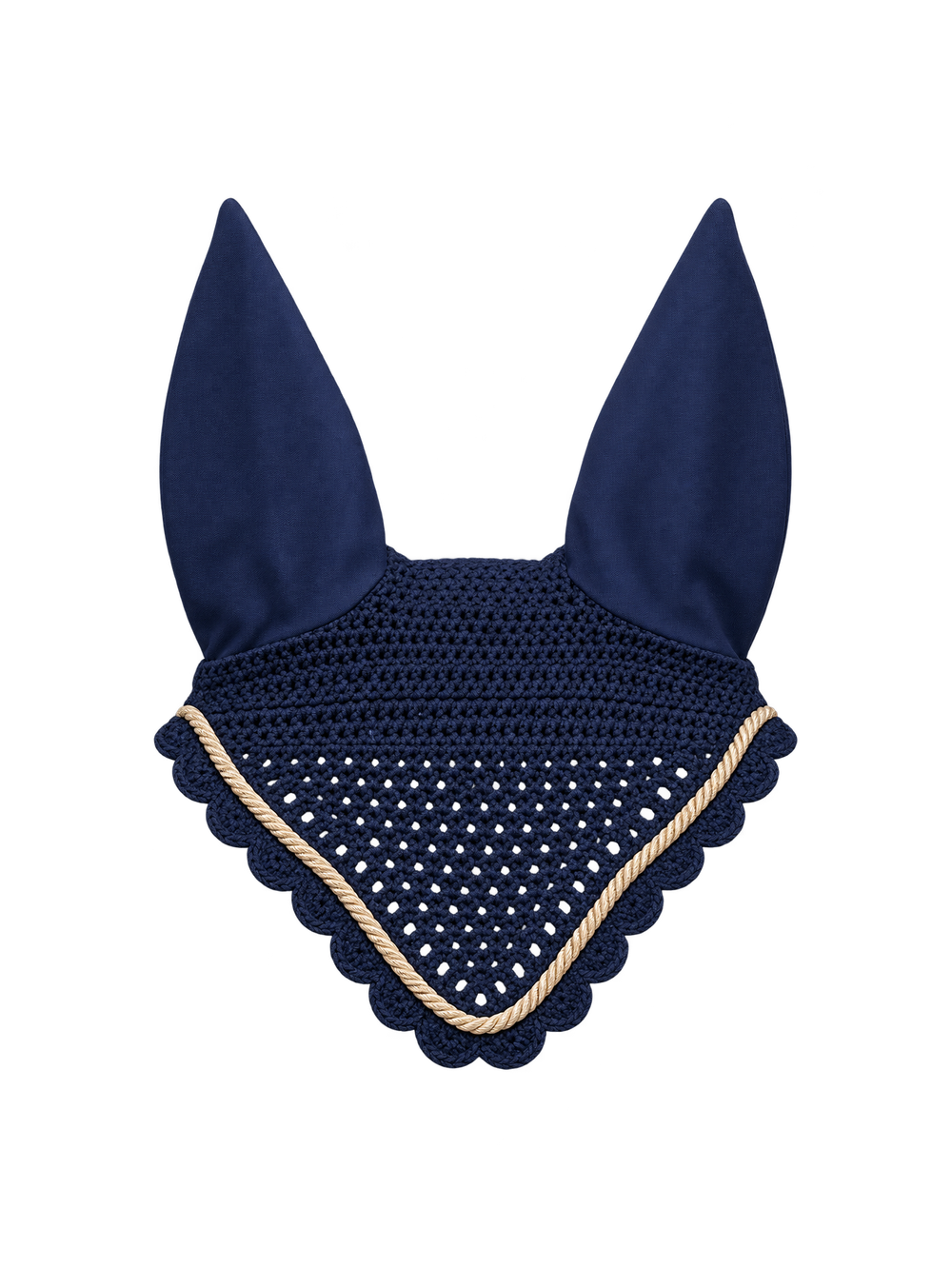
Equestrian accessory manufacturing
Custom horse riding ear bonnets are produced for equestrian brands, clubs and tack retailers. Give the ear and body measurements, color references and trim brief, then order from 50 pieces.
Send quantity, the size breakdown, artwork files, color references, yarn or trim preference, label and packing requirements, and the destination market.
An ear bonnet, also called a fly hood, sits over the ears beneath the bridle. It is a small accessory, so the measurements have to be exact before anything is cut.
Custom horse riding ear bonnets are produced from a reference design plus written dimensions. Send the design you want matched and state the riding use, because a schooling bonnet and a show bonnet are finished differently. GenXport works from those numbers rather than from a photograph alone.
Ear panels and the body have separate fit requirements, so record each one, including the area behind the ears. Fix trim color, braid or badge position on the artwork so the sample comes back with nothing left to interpretation. Keep the approved dimensions on file for later color versions.
A clear, documented path from inquiry to delivery keeps bulk consistent.
Launch your product without a large first run, then scale production as demand grows. We quote against your fabric, fit, decoration, and quantity.
Run sizes are illustrative brackets — we confirm your exact minimum on quote.
A typical first run starts around 50 pieces per design, and pricing gets more efficient with volume. We confirm your exact minimum and production window on quote.
All of these are produced to your specification. They can share one production brief or be quoted on their own.
Front shape, neck fit and fastening recorded so repeat color versions follow one design.
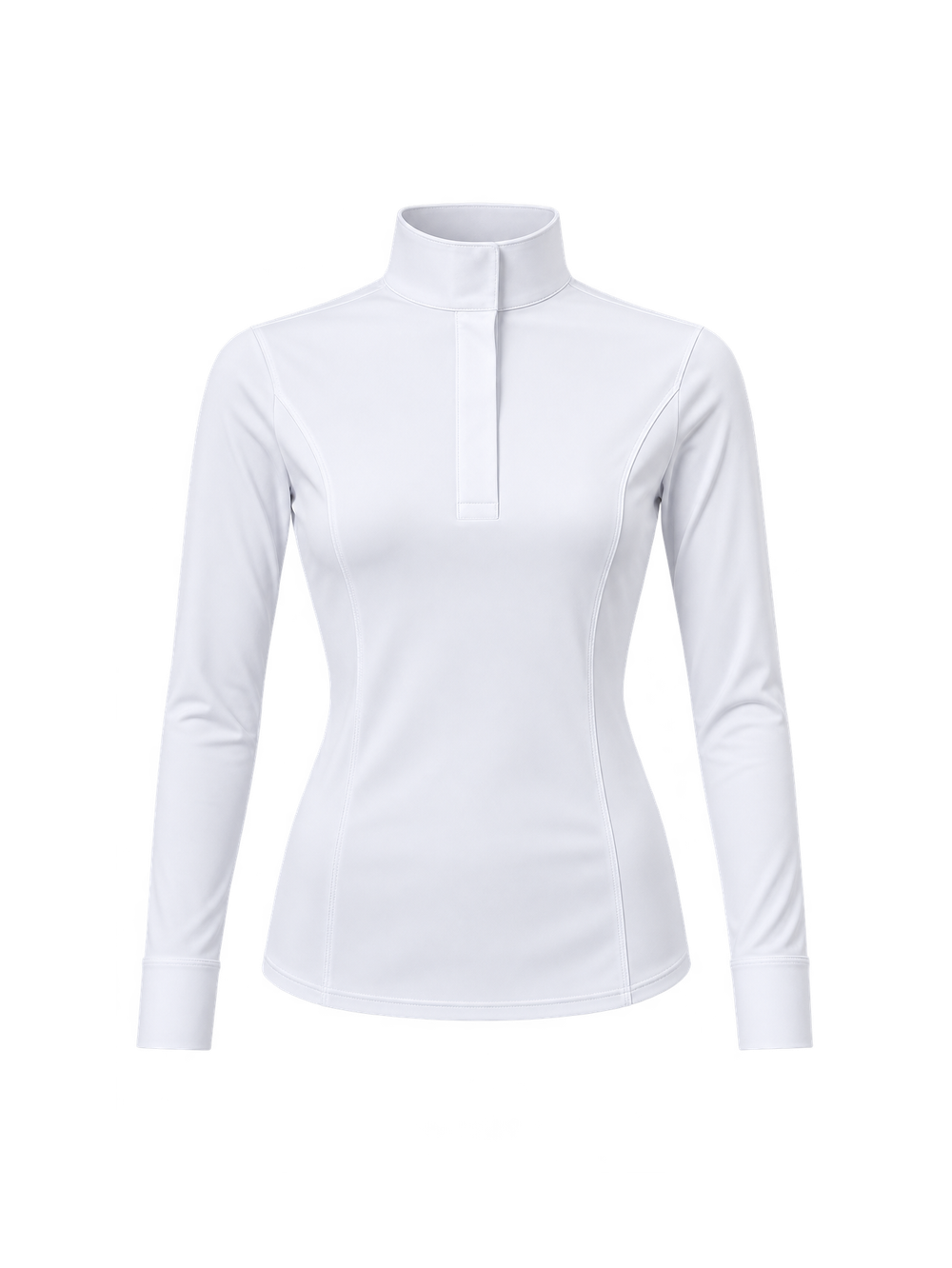
Include measurements, a reference design, color references, trim details and quantity. GenXport reviews the brief and comes back with a quote and sampling plan.
Six stages move the accessory from a reference design to an approved production record.
Confirm the riding use, the reference design and how many versions the order covers before anything else is agreed.
What equestrian brands and clubs usually ask before placing a bulk accessory order.
Not sure about fabric, print, or MOQ?
Send your artwork and roster. We confirm fabric, branding, MOQ, lead time, and a clear price.
MOQ starts at 50 pieces. Sample orders are 2–5 pieces so the build can be judged first. The split across sizes and colors is agreed at specification review.
MOQ starts at 50 pieces. Sample orders are 2–5 pieces.
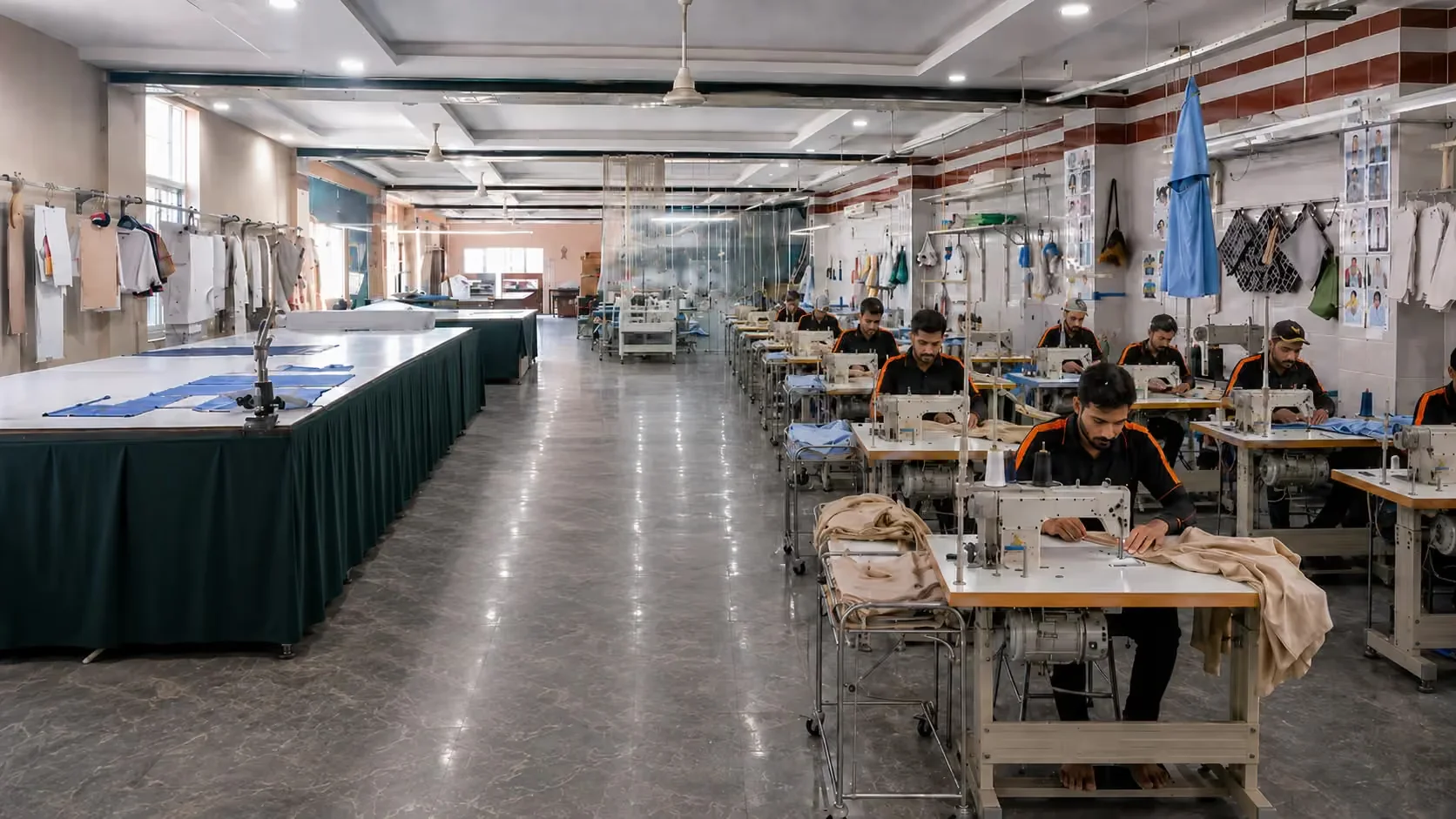
Branded packing and export-ready delivery.
Share artwork, fabric, and roster; we confirm specs.
We make a sample for color, fit, and print approval.
MRP planning locks materials, sizing, and timeline.
We print, cut, sew, and check against the sample.
Branded packing and export-ready delivery.
Knit shirts and show shirts graded to your size run, decorated by print or embroidery.
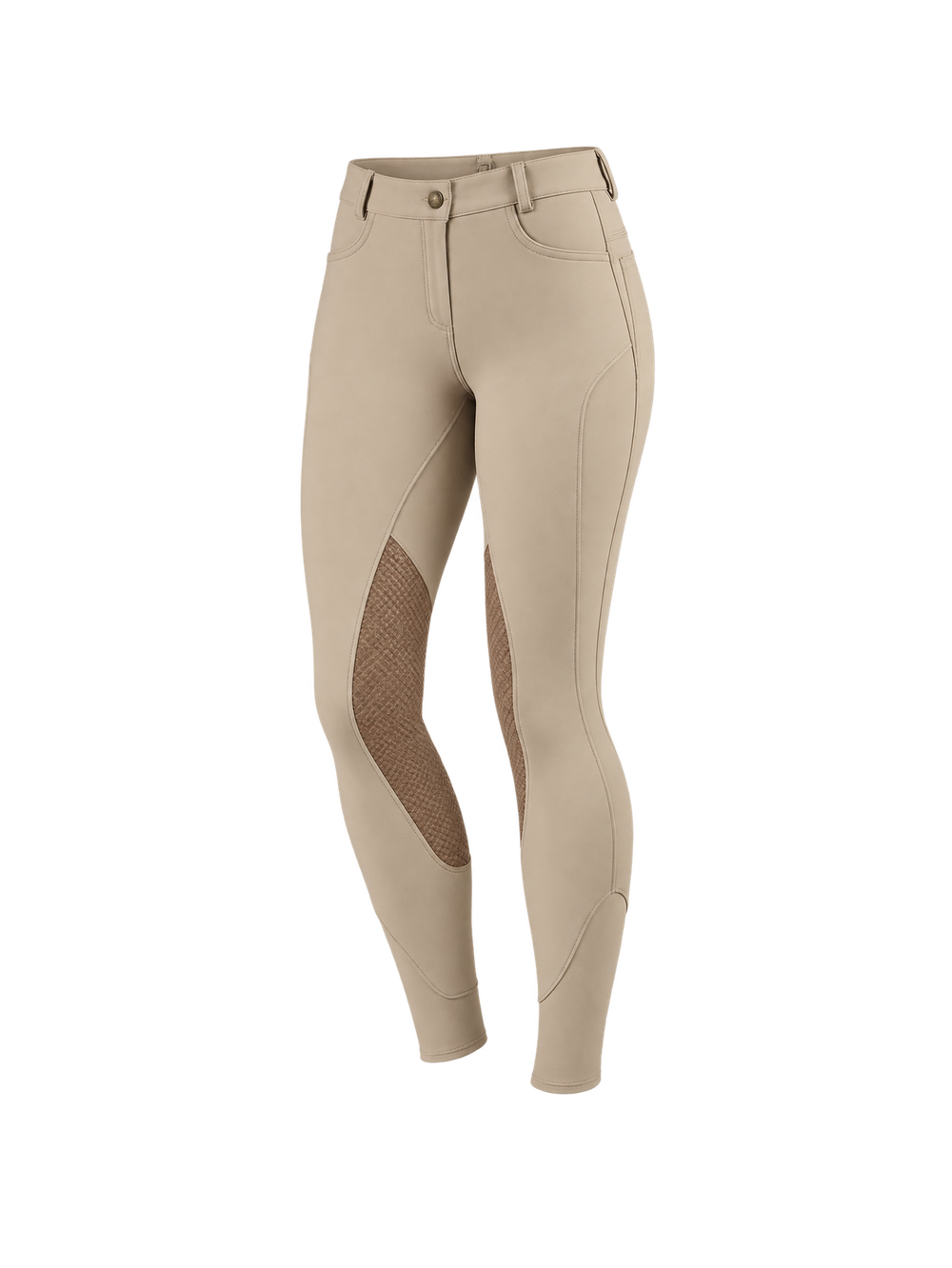
Seated fit block with your rise, leg width and knee patch coverage written into the spec.
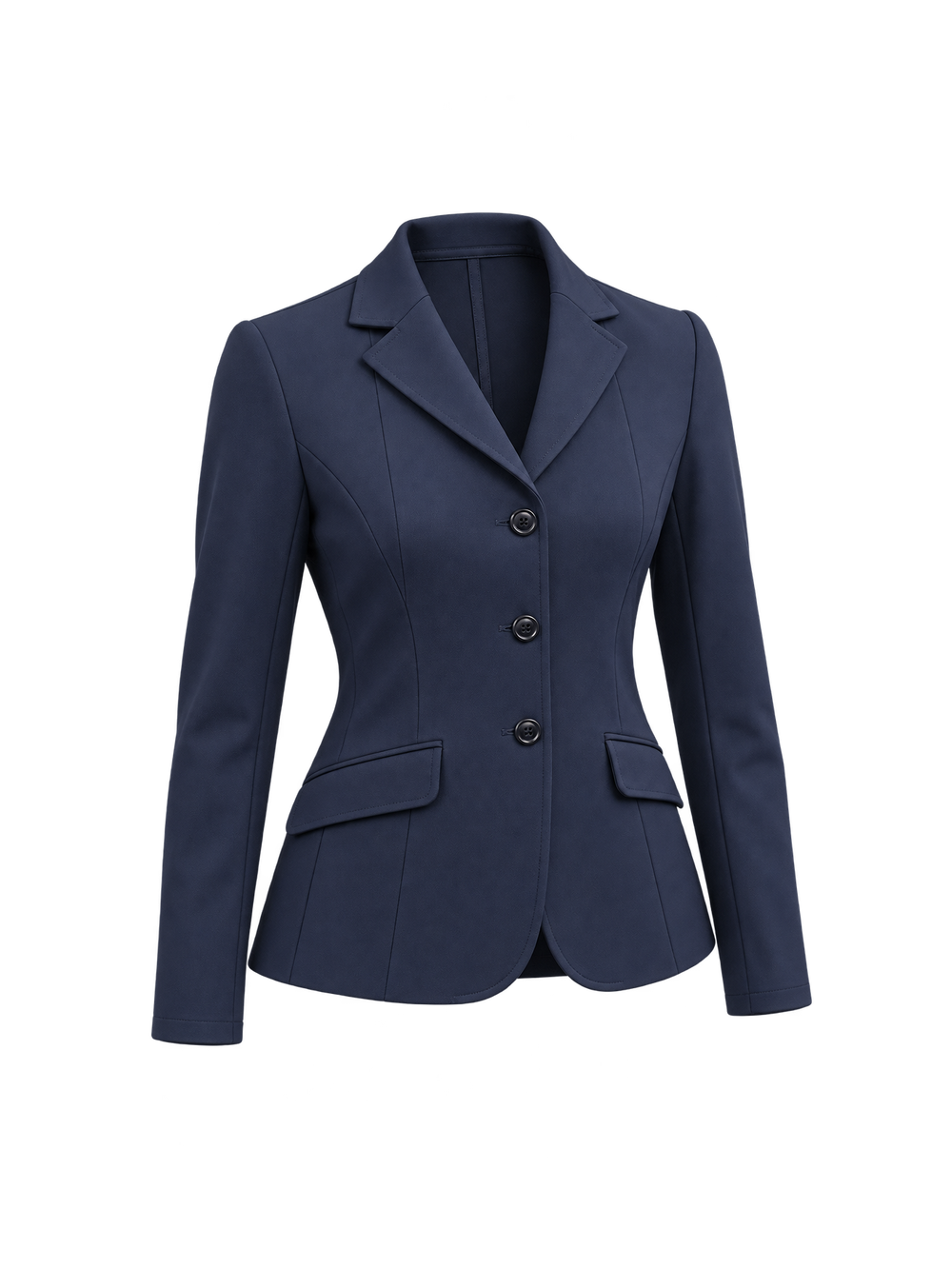
Shell, lining and hem details stated separately, with crest embroidery on an agreed placement.
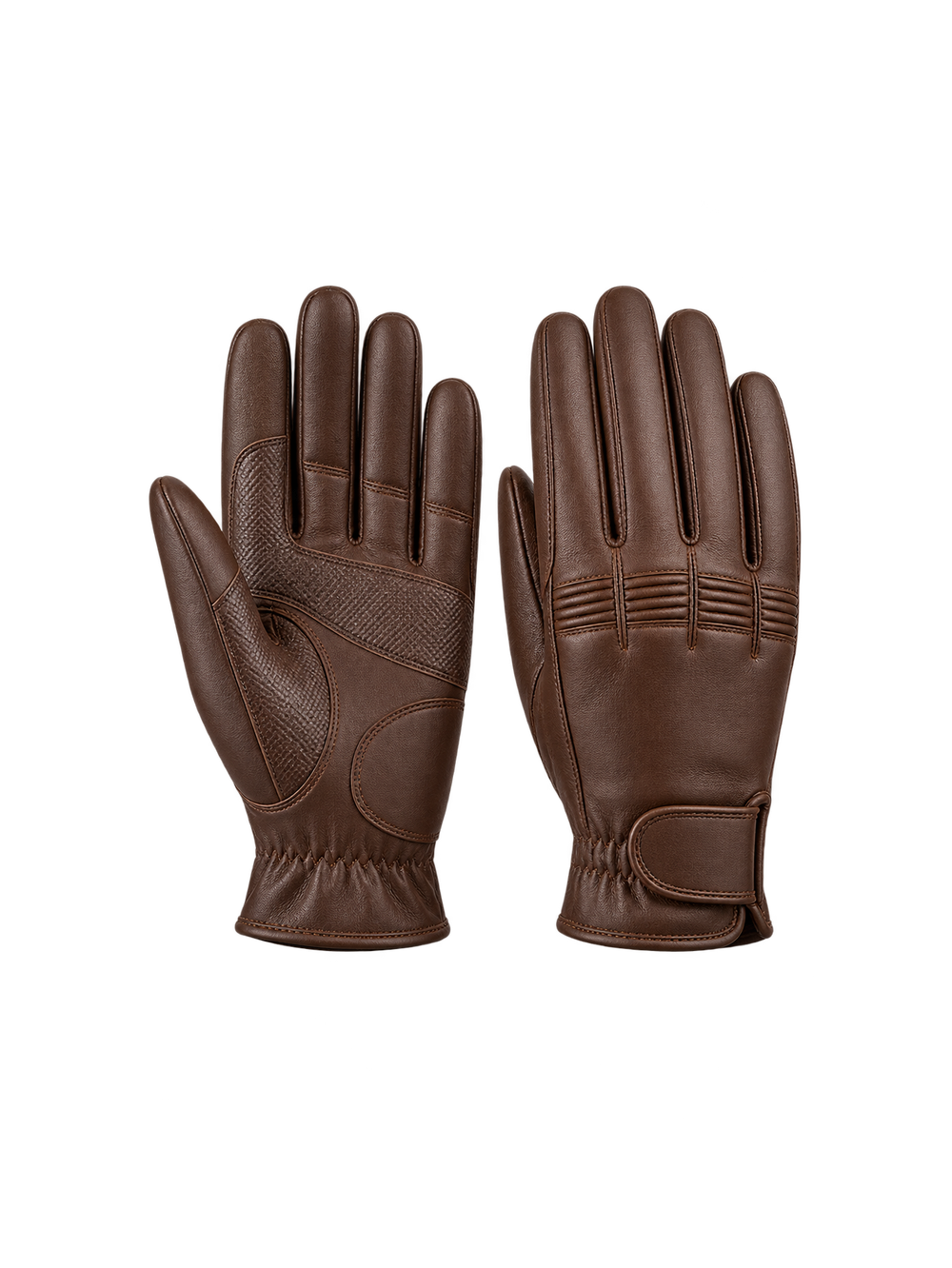
Palm material, finger length and closure type specified, then judged on an approved sample.
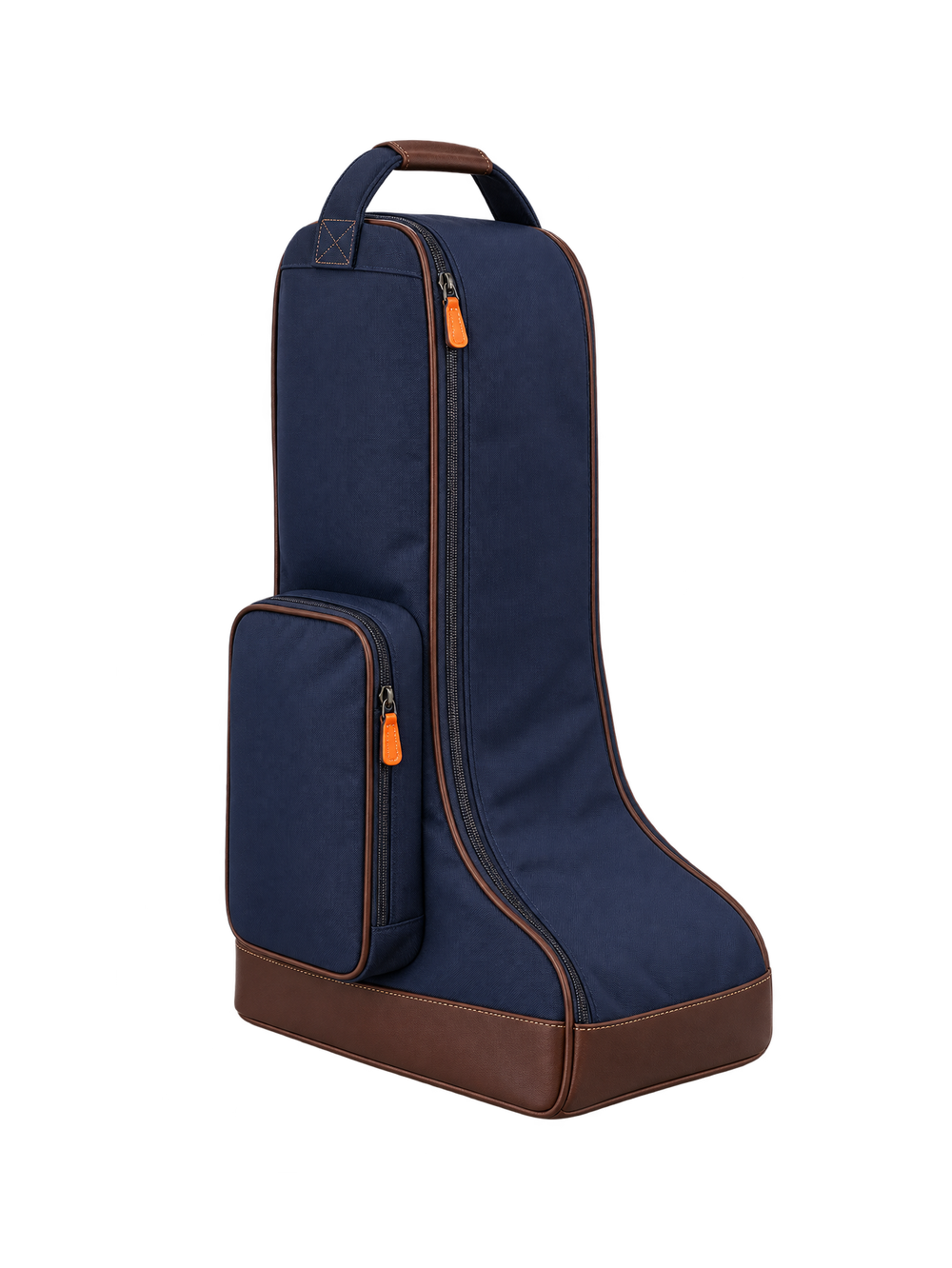
Woven shells built to your compartment layout, label artwork and packing requirements.
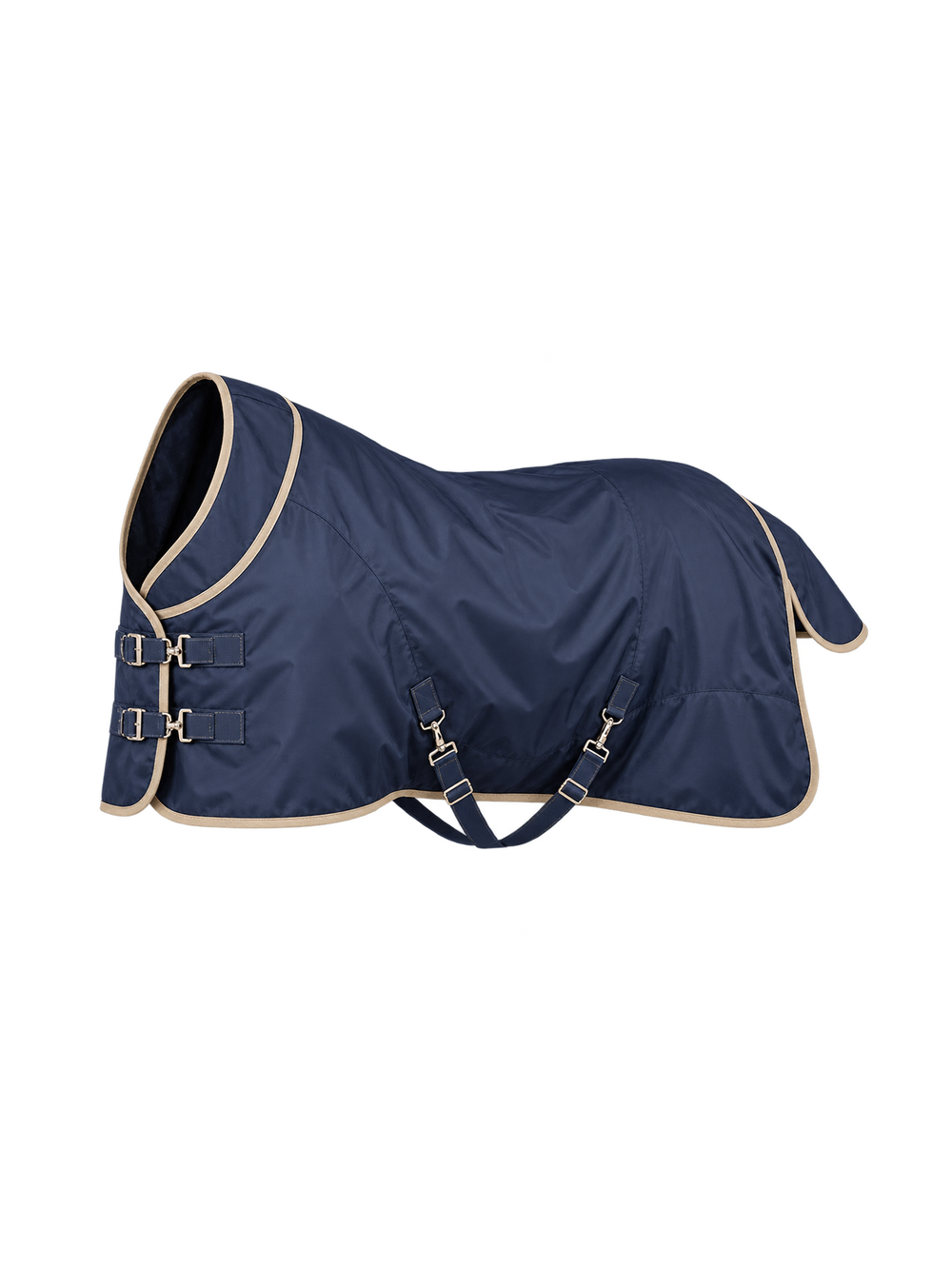
Outer layer, lining and fill specified in writing, with embroidered branding on one panel.
Give quantity, size breakdown and artwork for each item you want priced.
See the full rangeEar panel and body dimensions are recorded per size. Graded sets mean one approved sample can cover the run.
Send references for body, binding and trim. Materials are sourced and matched to the references you approve.
Edge finish, seam placement and trim attachment are checked on the sample. List changes before bulk release.
Custom labels, hang tags and polybagging are produced with the order to your artwork and brand ready brief.
Bulk follows the approved sample and recorded dimensions. Repeat orders are quoted against that same record.